Formula
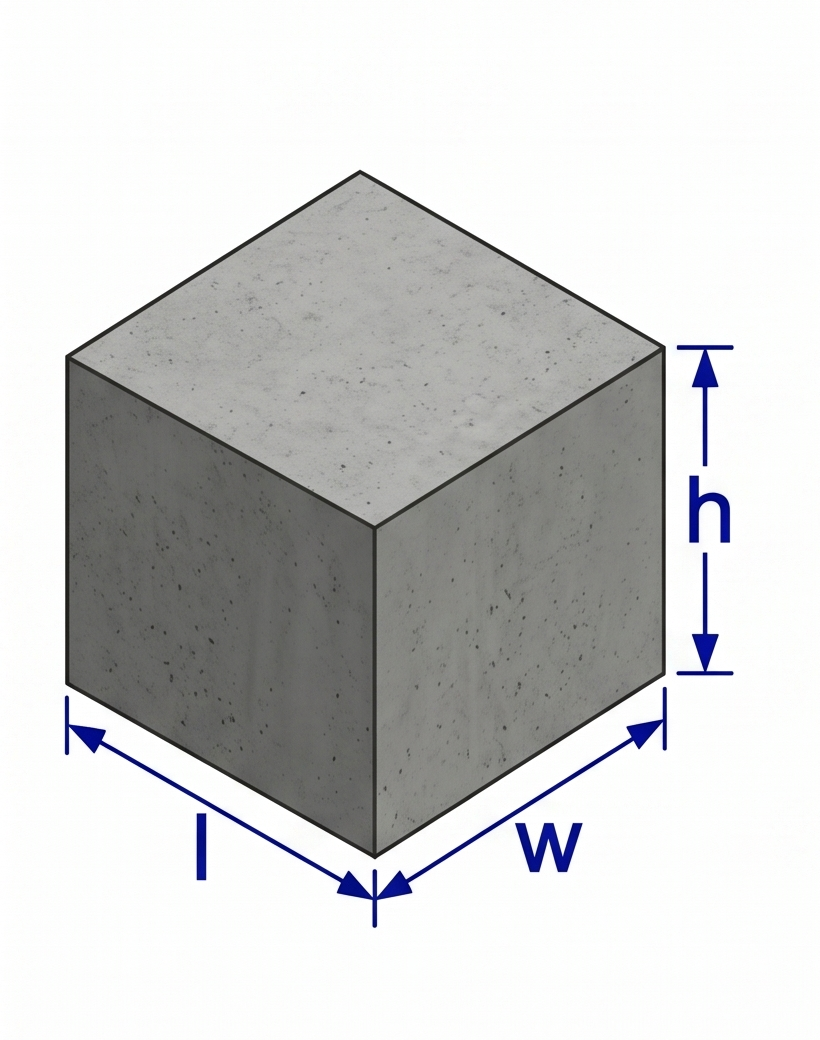
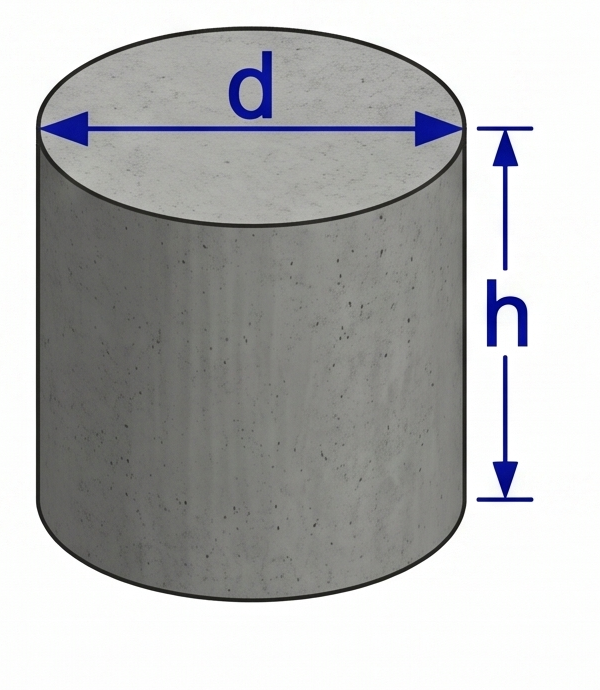
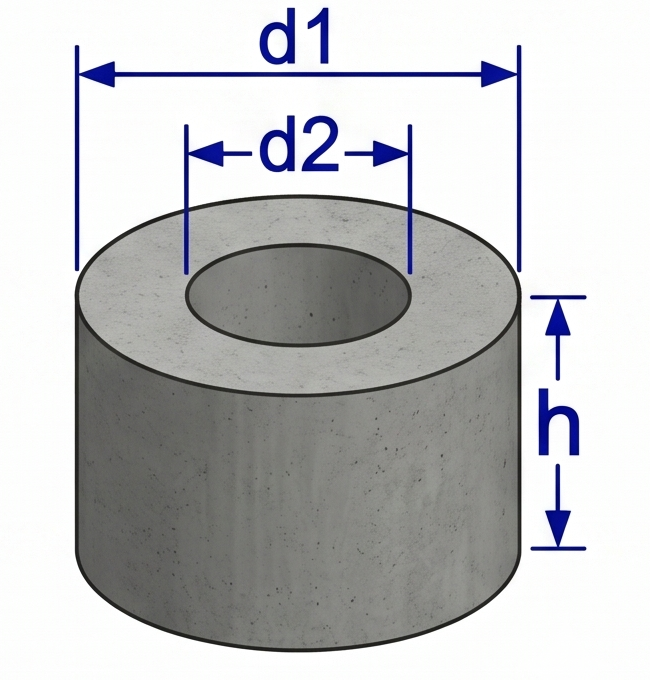
volume depends on shape: rectangular pours use length * width * height, round pours use pi * radius^2 * height, tubes subtract inner cylinder volume, and results convert to cubic feet, cubic yards, cubic meters, weight, and bags
Concrete estimates should start with volume, not bags
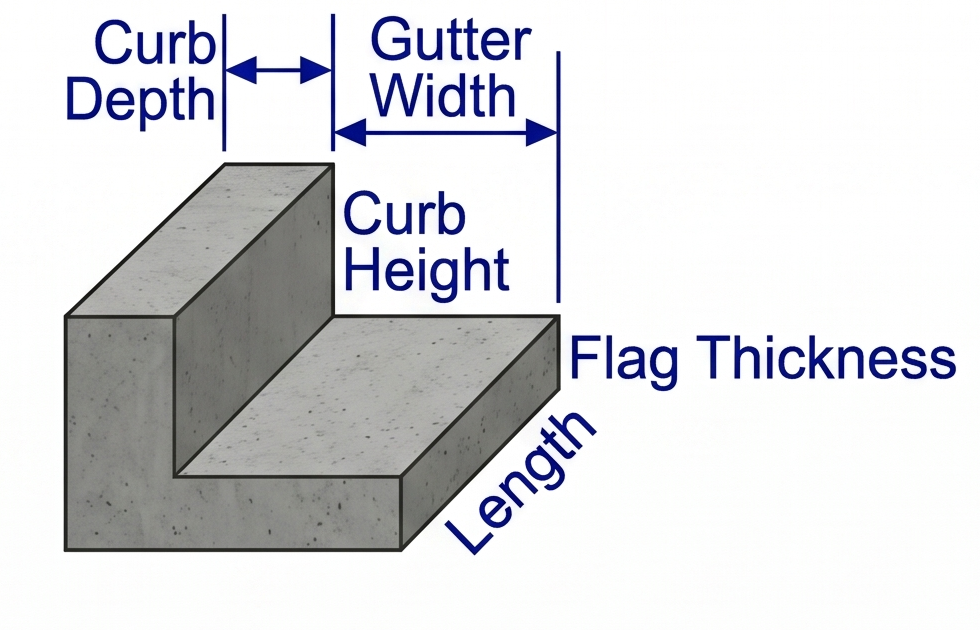
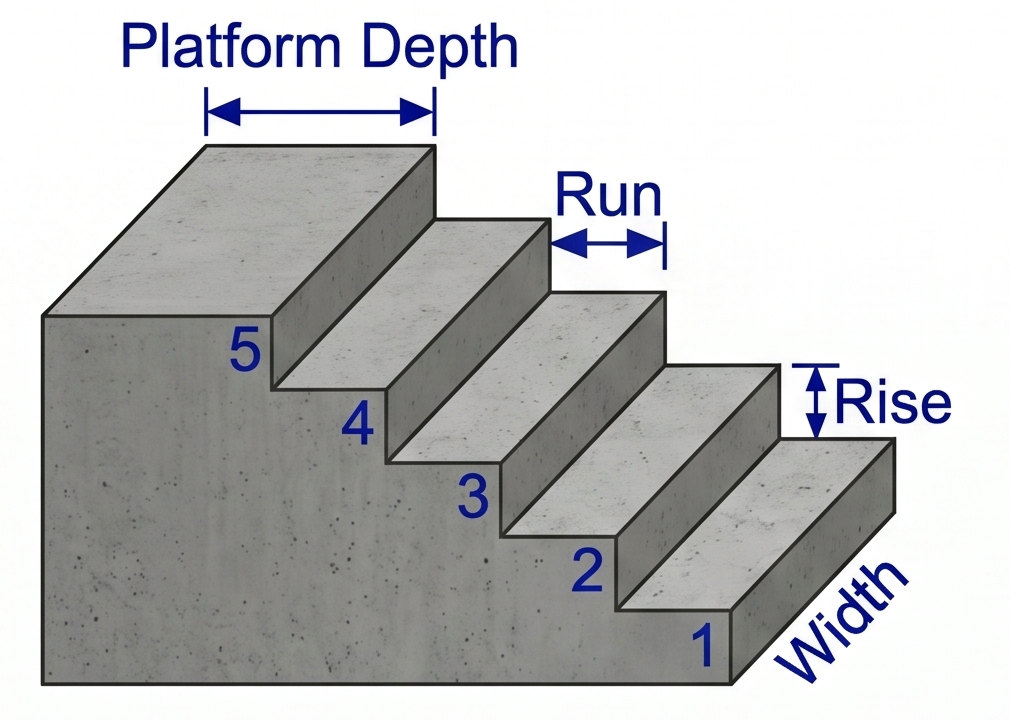
Reliable concrete planning starts with geometric volume. Different projects use different geometry, so this calculator separates rectangular slabs, round footings, tubes, curb-and-gutter barriers, and stairs instead of forcing every job into one slab formula.
The result then converts that volume into cubic feet, cubic yards, cubic meters, estimated weight, and common bag counts so planning and ordering teams can work from the same baseline.
Practical concrete-order workflow
Choose the concrete shape first, measure clear pour dimensions, calculate volume, then apply a project overage based on job complexity. This sequence prevents last-minute shortage or overbuying.
For irregular work, split the job into regular sections and sum section volumes before applying overage.
- Choose the matching shape.
- Enter dimensions and units.
- Calculate volume, weight, and bag counts.
- Apply overage percentage separately.
- Round order quantity according to supplier or bag minimums.
Quality checks before ordering
Verify units carefully. Mixing feet, inches, centimeters, and meters is one of the fastest ways to create a major concrete estimate error.
Keep versioned measurement notes so field updates can be reconciled with order changes quickly.
Why concrete estimation is a volume problem first
People sometimes jump straight to bags or truck quantities before confirming the actual geometric volume. That sequence creates avoidable confusion. Volume is the base reality, and everything else is a commercial translation of that reality.
This calculator helps by keeping the math anchored in dimensions before you worry about ordering format.
Good ordering decisions usually start with geometry and only then move into supplier language.
How to handle irregular pours
If the slab is not a clean rectangle, divide the pour into sections, compute each section separately, and combine the totals. That method is more trustworthy than one broad estimate based on a guessed average size.
It also makes revisions easier if the site changes before the pour.
Breaking the job into shapes is often the simplest path to an estimate you can defend.
Why small depth errors become big cost errors
Because concrete volume scales directly with depth, even a small depth mismatch across a large area can create a significant difference in total material required. That is why depth should be measured and communicated carefully.
Teams that think in feet but enter inches casually are especially vulnerable to large mistakes.
The calculator is precise. The discipline has to come from the measurements feeding it.
Use the result for both ordering and discussion
A clear volume result is useful not only for supplier conversations but also for crew planning, budget reviews, and contingency thinking. Once everyone is looking at the same cubic quantity, the rest of the conversation becomes much easier to coordinate.
The calculator gives the shared baseline that those discussions need.
Reliable estimates improve communication as much as procurement.
Why overage should be intentional
Adding a small overage can be sensible, but it should be documented rather than hidden. When the extra amount is explicit, the team can judge whether it reflects job complexity or unnecessary cushion.
This makes the estimate easier to trust and easier to revise.
Transparent buffers are better than mysterious ones.
Concrete ordering starts with geometry but ends with job realism
A concrete calculator begins with clean volume math, but real ordering decisions also have to account for waste, spillage, irregular edges, form variation, and supplier constraints. That is why exact geometric volume is the starting point rather than the final order quantity.
Used properly, the calculator gives the baseline that field judgment can then adjust. That combination is far safer than guessing bags or yards by eye.
Depth mistakes are usually more expensive than length mistakes
On many pours, length and width are visible and easy to remember, but depth is where expensive errors creep in. Confusing inches and feet, assuming nominal depth instead of actual depth, or forgetting thickened edges can materially distort the volume estimate. Because depth multiplies across the entire area, even a modest mistake scales quickly.
This is why concrete planning should pause longest on depth verification before any order is placed.
Split irregular pours into simple shapes before estimating
A common estimation mistake is trying to force a complex slab or footing into one simple rectangle. The more reliable method is to divide the pour into smaller regular sections, calculate each separately, and then sum the volumes before adding overage. That approach is slower by a few minutes but much safer for ordering.
The calculator is particularly effective when it is used as the engine for those smaller section estimates instead of as a one-shot guess tool.
- Use geometry to establish the baseline volume before thinking about bags or truck quantity.
- Verify actual depth carefully because depth errors scale across the entire pour.
- Break irregular shapes into simpler sections and sum them before applying overage.
Example
Shape = slab
Length = 5 m
Width = 2.5 m
Thickness = 5 cm
Calculator returns concrete volume, estimated weight, and bag counts.
Why this calculator matters
Measurement errors can waste materials, labor time, and project budget.
Quick area and dimension checks reduce ordering mistakes.
Reliable outputs support smoother planning with contractors and suppliers.
This concrete calculator removes repetitive manual work and helps you focus on decisions, not arithmetic.
Practical use cases
Estimate flooring, paint, or tile quantities before purchasing.
Check perimeter and dimensions when planning layouts.
Compare multiple material options with consistent inputs.
Quickly evaluate scenarios by changing length (ft), width (ft), and depth (in) and recalculating.
Interpretation tips
- Keep dimensions in one unit system from input to output.
- Account for waste allowance where required by your project.
- Validate field measurements before final procurement decisions.
- Re-run the calculator with slightly different inputs to understand sensitivity.
- Use the example and formula sections to cross-check your understanding.
Common mistakes
- Mixing units (for example meters with centimeters) in the same calculation.
- Entering percentages as whole numbers where decimal values are expected, or vice versa.
- Rounding intermediate values too early instead of rounding only the final result.
- Using swapped input order for fields that are directional, such as original vs new value.
Glossary
Length (ft)
Input value used by the concrete calculator to compute the final output.
Width (ft)
Input value used by the concrete calculator to compute the final output.
Depth (in)
Input value used by the concrete calculator to compute the final output.
Formula
The mathematical relationship the calculator applies to your inputs.
Result
The computed output after the formula is applied to all valid input values.
FAQs
Why are cubic yards shown?
Concrete is commonly ordered in cubic yards from suppliers.
Should I include waste?
Yes. Add a project-appropriate overage to avoid shortfall.